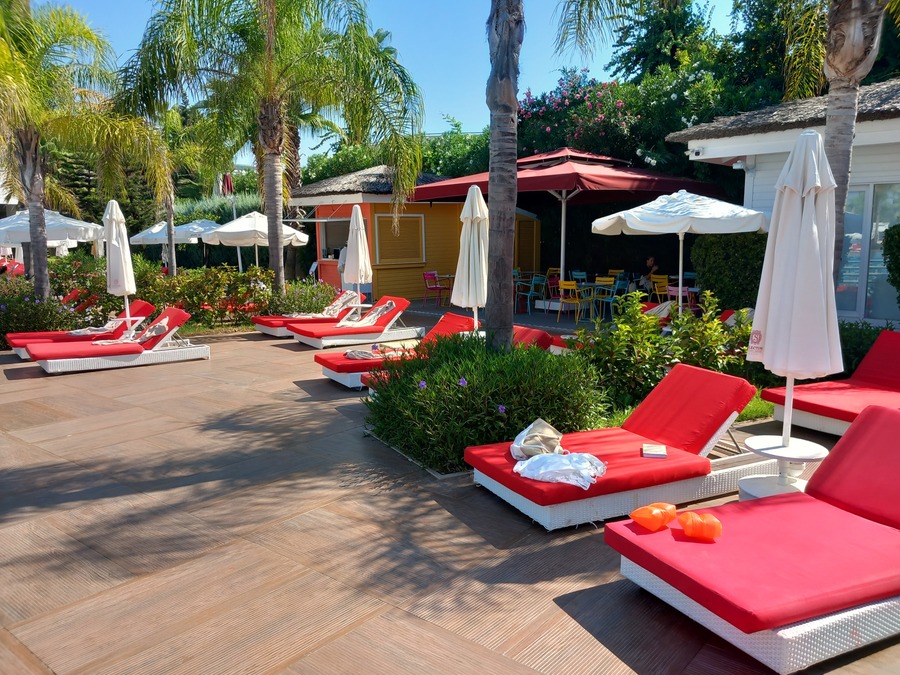
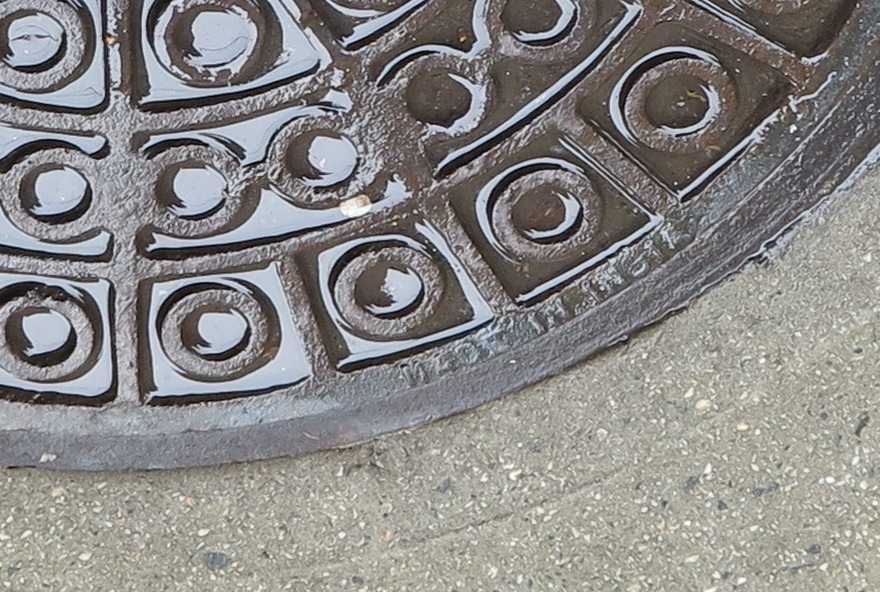
I'm staying with my family at a five-star all-inclusive in Belek - not a cheap place. Around 8 or 9 in the morning we head straight to the sea for a swim, skipping the pool. By that time, the poolside loungers already look like this:
— English / Español / Deutsch / Русский
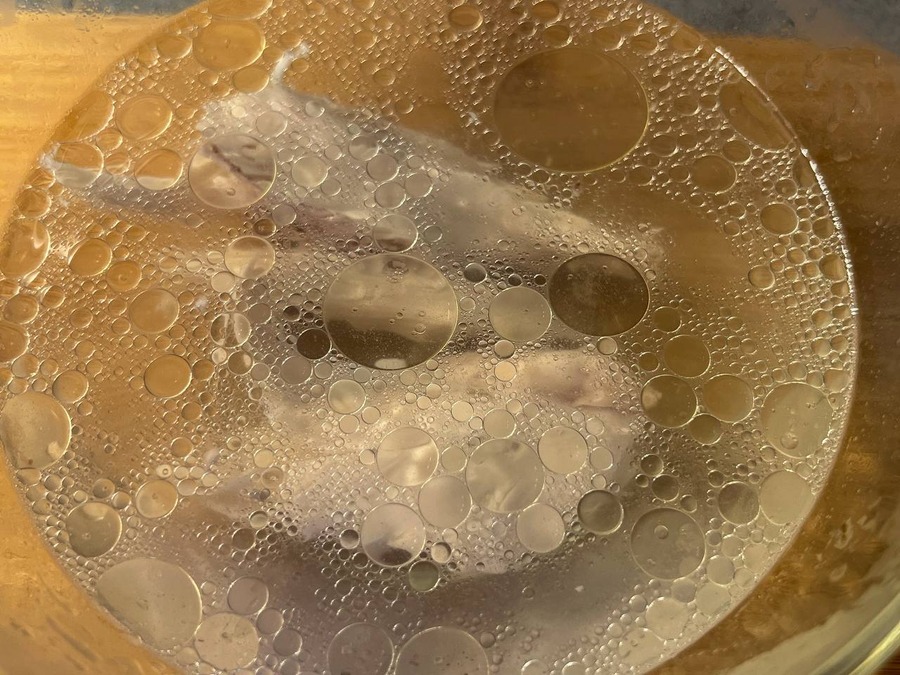
For years, I avoided clear broths. Childhood memories told me they were bland and only meant for sick days. Then I tried this recipe — and everything changed.
It’s crystal clear, gently aromatic, and full of flavor.
Ingredients
1 chicken breast, skin on
2 liters (about 8 cups) water
3 allspice berries
3 whole black peppercorns
2 sprigs fresh parsley
½ tablespoon salt, level
1 chicken breast, skin on
2 liters (about 8 cups) water
3 allspice berries
3 whole black peppercorns
2 sprigs fresh parsley
½ tablespoon salt, level
JavaScript has two globally available metods for working with Base64: atob() and btoa(). Their names clearly look like they were borrowed from older languages. In C, for instance, the standard library includes functions like atoi and atof:
atoi means ASCII to integer, and atof means ASCII to float (though in reality it returns a double).
So what do you think the atob function does in JavaScript? ASCII to Base64? In other words, converting a regular string into a Base64 string? Nope! It does the exact opposite: it converts a Base64 string into a "regular" string. And btoa, in turn, converts a regular string into Base64!
Who thought it was a good idea to swap the names like that? Love JS.
#include <stdlib.h> char str[] = "123"; int num = atoi(str); // 123
atoi means ASCII to integer, and atof means ASCII to float (though in reality it returns a double).
So what do you think the atob function does in JavaScript? ASCII to Base64? In other words, converting a regular string into a Base64 string? Nope! It does the exact opposite: it converts a Base64 string into a "regular" string. And btoa, in turn, converts a regular string into Base64!
console.log(btoa('Famabara')); // 'RmFtYWJhcmE='
console.log(atob('RmFtYWJhcmE')); // 'Famabara'
Who thought it was a good idea to swap the names like that? Love JS.
Wind turbines keep getting bigger every year. There's one main reason for that: the longer the blades, the more powerful the turbine. But couldn't you just install two smaller turbines instead of one large one? To answer this, let's take a look at real-world data.
Goldwind is a Chinese wind turbine manufacturer. Here are photos of their operating turbines from the company website:
Goldwind GW 82 / 1500 - output: 1500 kW (1.5 MW). Rotor length: 82.3 meters, meaning a blade diameter of roughly 41.15 meters.
Goldwind GW 171 / 6000 - output: 6000 kW (6.0 MW). Rotor length: 171 meters, giving a blade diameter of about 85.5 meters.
Even here you can already see that the relationship between blade length and output is nonlinear. The second turbine's blade is 2.07x longer, but the power is 4x higher!
Vestas is a wind turbine manufacturer from Denmark (their turbines are shown in the next photo):
Goldwind GW 171 / 6000 - output: 6000 kW (6.0 MW). Rotor length: 171 meters, giving a blade diameter of about 85.5 meters.
Even here you can already see that the relationship between blade length and output is nonlinear. The second turbine's blade is 2.07x longer, but the power is 4x higher!
Vestas is a wind turbine manufacturer from Denmark (their turbines are shown in the next photo):
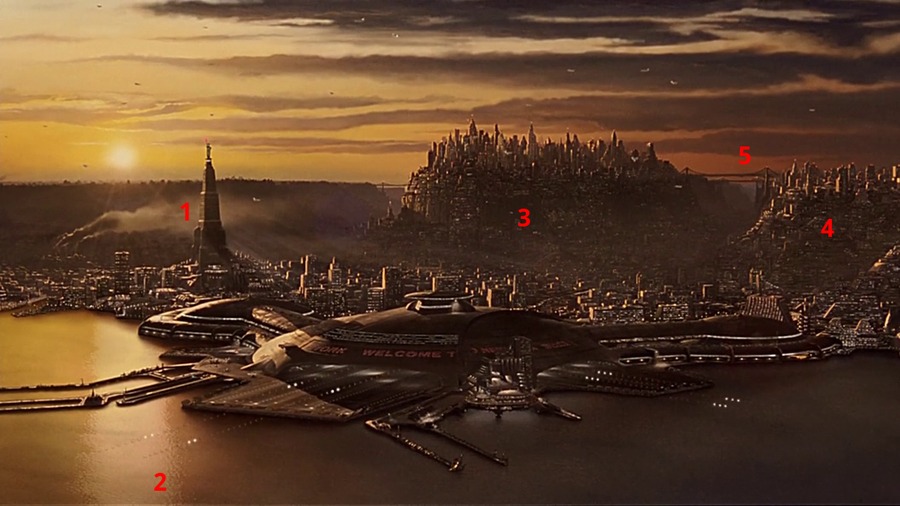
In The Fifth Element, there's a brief and easily overlooked scene in the middle of the movie where a spaceship takes off toward Fhloston Paradise. It only lasts a couple of seconds, but if you pause and take a closer look, you'll notice an interesting detail from the director.
I've numbered the key spots in the screenshot.
What we see is New York of the future. The ocean level has dropped dramatically, making the city look almost unrecognizable. The only question is - where could all the water have gone for sea levels to fall that much?
1 - The Statue of Liberty. It looks taller because of the extended base underneath.
2 - This marks the future ocean level. Somehow the ice caps didn't melt to add more water to the seas. Did humanity ship the water off to other planets?
3 - Manhattan, 4 - Brooklyn, 5 - The Brooklyn Bridge connecting them. With the water gone, the bridge is now spanning a canyon instead of a river.
And on what used to be the ocean floor, they've built a spaceport.
What we see is New York of the future. The ocean level has dropped dramatically, making the city look almost unrecognizable. The only question is - where could all the water have gone for sea levels to fall that much?
1 - The Statue of Liberty. It looks taller because of the extended base underneath.
2 - This marks the future ocean level. Somehow the ice caps didn't melt to add more water to the seas. Did humanity ship the water off to other planets?
3 - Manhattan, 4 - Brooklyn, 5 - The Brooklyn Bridge connecting them. With the water gone, the bridge is now spanning a canyon instead of a river.
And on what used to be the ocean floor, they've built a spaceport.
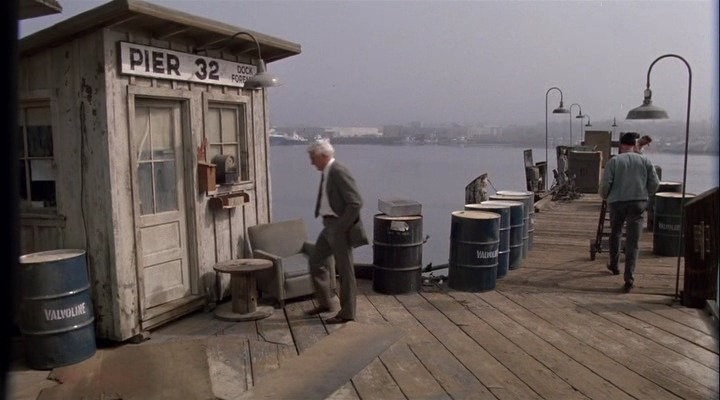
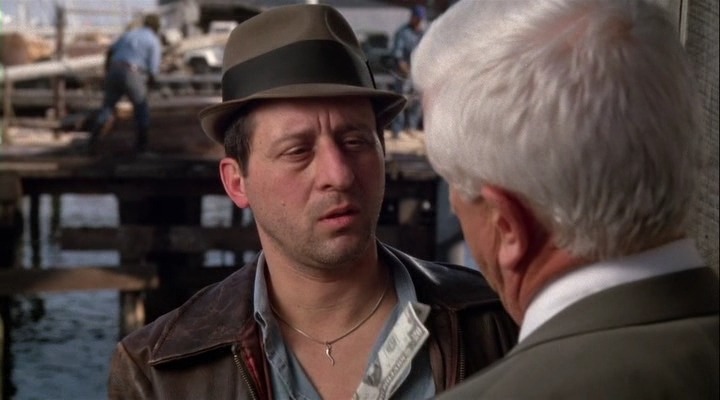
Remember that memorable interrogation scene on Pier 32 from The Naked Gun?
The actor who played the sleazy dock foreman is named Joe Grifasi.
Поздравляем! Вы долистали до конца. На этой странице пока больше нет постов.