
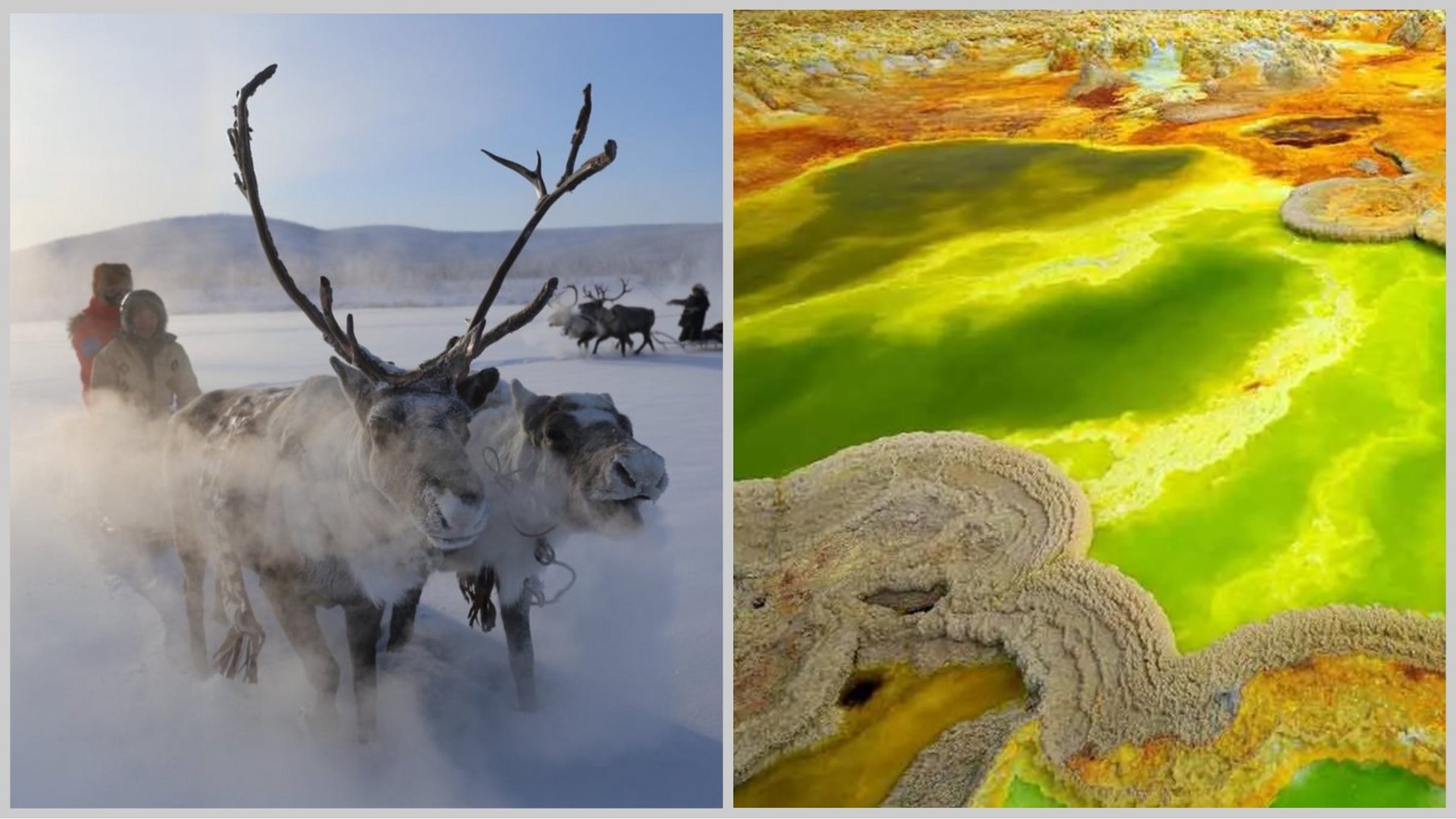
There are places on Earth where nature truly tests human endurance. The village of Oymyakon in Yakutia is one of the coldest inhabited places on the planet, where winter temperatures drop below -50°C, with a record low of -67.7°C. On the other side of the world, the Danakil Depression near the Dallol volcano in Ethiopia is one of the hottest places on Earth, with an average annual temperature of around 34-35°C, while daytime temperatures can often exceed 50°C.
Oymyakon
Oymyakon

People have lived in Oymyakon for generations. Local communities have spent centuries developing ways to survive in these extreme conditions. Today, the village has schools, shops, and communication networks. Children attend school as long as the temperature does not fall below -52°C.

In Oymyakon, cars are often left running for days at a time. If the engine is turned off, it can simply freeze and fail to start again. Running water is often unavailable, so people collect water from ice holes or use blocks of ice that are cut and melted. Homes are heated with wood-burning stoves, and traditional winter clothing includes fur boots, heavy coats, and scarves that cover almost the entire face.
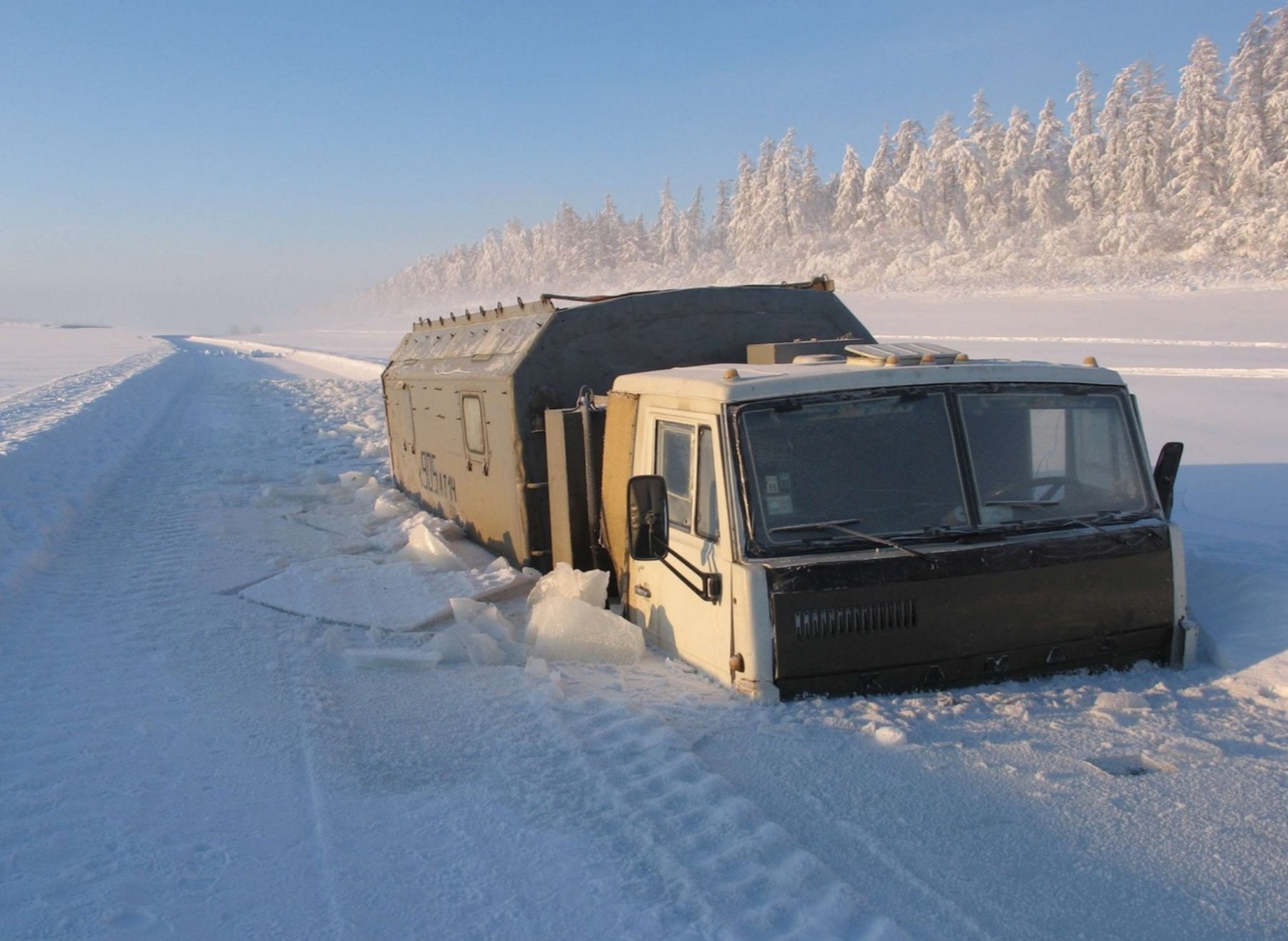
Locals sometimes dry laundry outside in the freezing air. The clothes become completely frozen, then slowly dry through sublimation - when ice turns directly into vapor without becoming liquid water first.
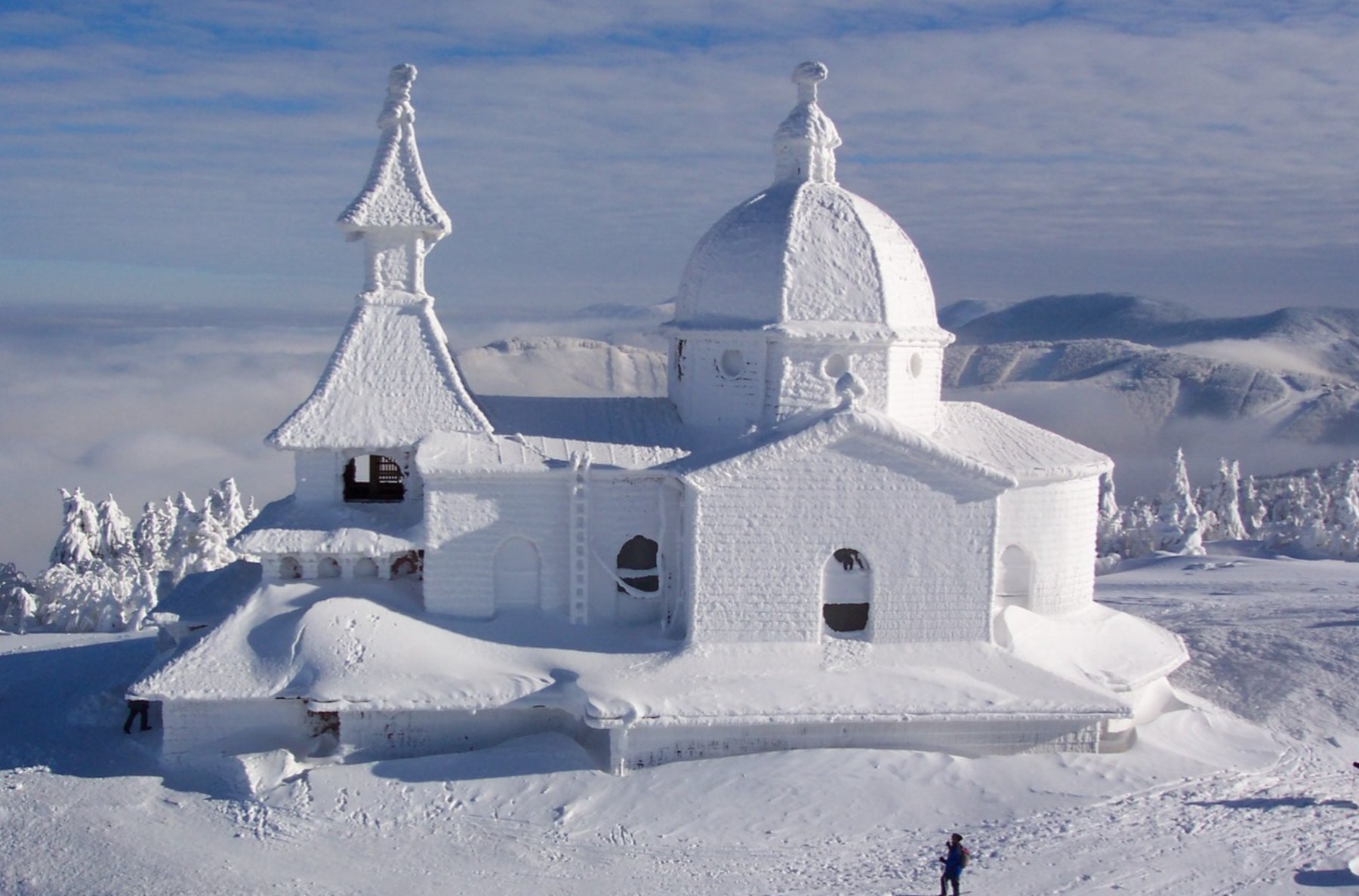
At -50°C, the air becomes so cold and dense that footsteps and voices can be heard from a great distance. In extreme cold, snow becomes more granular and makes a loud crunching sound underfoot. Local residents can often tell how severe the frost is just by the sound of the snow.
Dallol
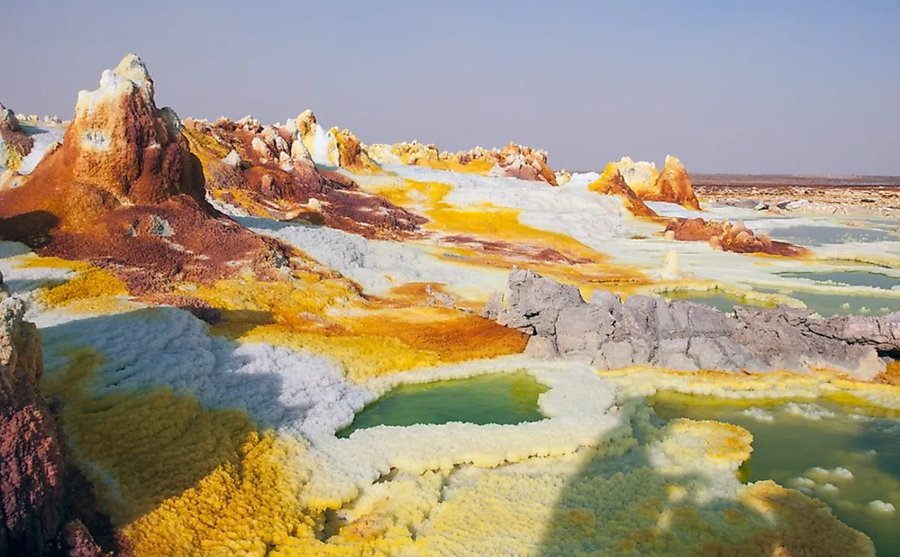
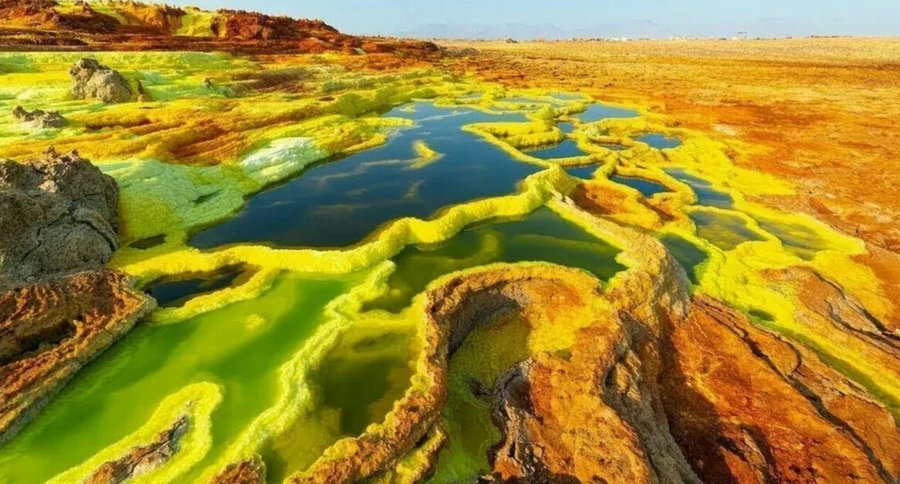
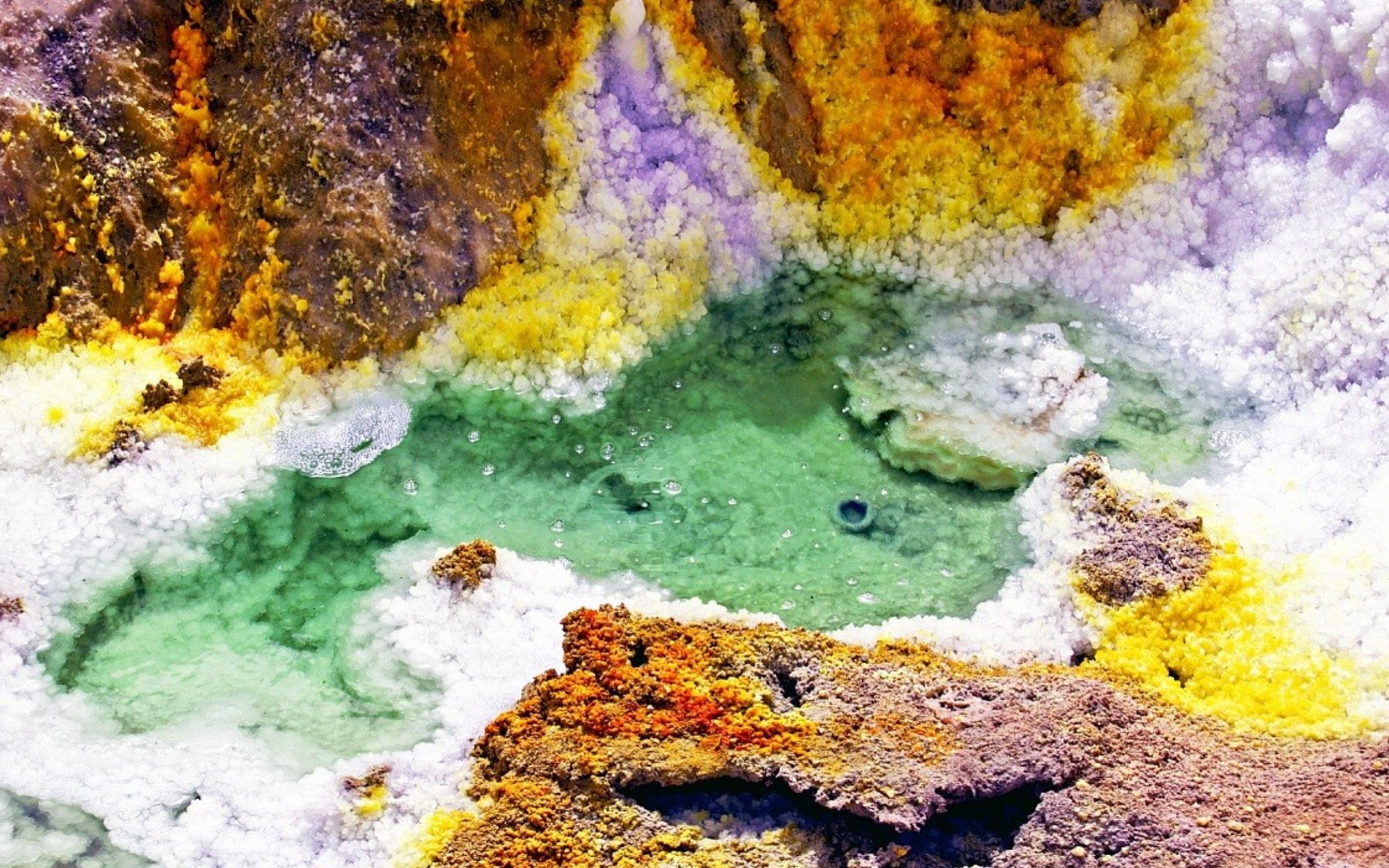
Dallol is an active volcanic area in northeastern Ethiopia. It is considered one of the lowest volcanic sites on Earth. Unlike Oymyakon, the conditions here are defined by extreme heat, dryness, and an almost complete lack of fresh water. Salt is part of the landscape itself. Salt crystals create surreal, almost alien-looking scenery. Acid pools and sulfur fumes make the area feel like another planet.

Dallol has no social infrastructure, making long-term settlement nearly impossible. There is no permanent population there. Most people who visit are temporary workers, miners, or researchers.
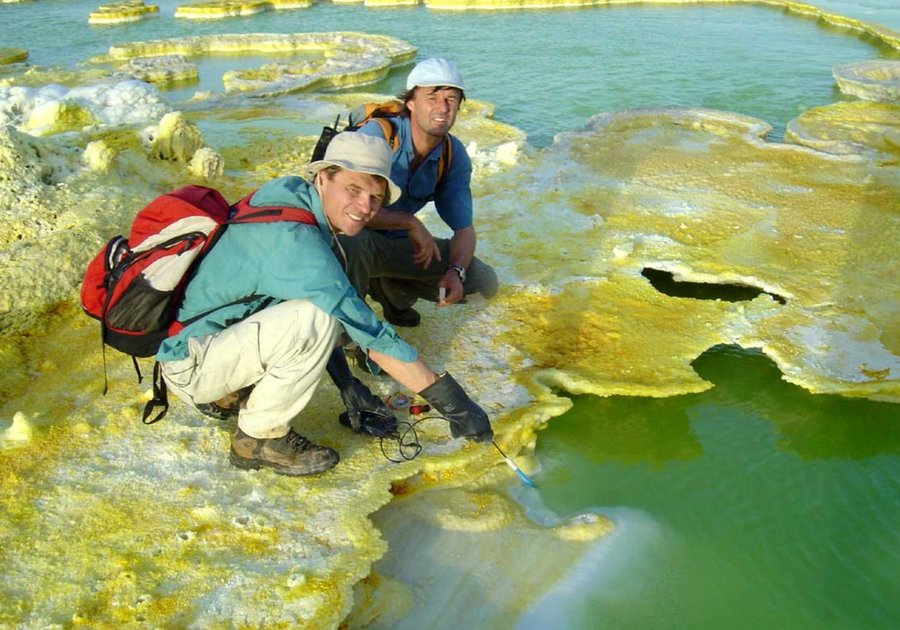
Occasionally, members of the semi-nomadic Afar people come to the area. They do not live in Dallol permanently, but they organize caravans to transport the salt extracted there. Some Afar people also work as guides for tourists.
This is how diverse the planet's climate can be. Humans are capable of adapting to some of the harshest environments on Earth. In one place, people focus on preserving warmth and surviving extreme cold. In another, they protect themselves from intense heat, carefully manage water, and plan their movements to avoid dangerous exposure to the sun.